Your household garage door is a vital part of your home’s security and convenience. When it starts malfunctioning, it can disrupt daily life and raise safety concerns. Whether dealing with a noisy door, a broken spring, or a faulty opener, understanding garage door repair for household use empowers you to make the right decisions. This comprehensive guide will walk you through common problems, repair services, DIY tips, maintenance advice, and how to choose trusted professionals, ensuring your garage door stays safe, reliable, and efficient all year round.
Common Household Garage Door Problems
Garage doors, whether automatic or manual, face several common issues due to regular wear and tear. Knowing these problems helps identify when repairs are necessary and what type of service to seek.
- Garage door springs broken: Springs bear the door’s weight and open or close it smoothly. Broken torsion or extension springs can immobilise the door completely or cause dangerous sudden drops. Roller repair needs: Worn or damaged rollers can cause the door to move unevenly, jerk, or produce excessive noise during operation. Door opener malfunctions: Faulty motors, weakened batteries, or misaligned sensors can cause your automatic garage door opener to stop working properly. Garage door off track: Doors can come off their tracks due to impact, bent rails, or broken cables, making it impossible to open or close them safely. Noisy garage door: Squeaking, grinding, or banging noises often indicate lubrication needs, hardware damage, or worn-out parts requiring prompt attention.
Signs Your Garage Door Needs Repair
- Garage door won’t open/close: A clear warning that something is broken, often related to springs, cables, or the opener system. Unusual garage door noises: Grinding, scraping, or squeaking sounds usually signal mechanical problems like bad rollers or hinges. Slow door movement: If the door opens or closes sluggishly, this may indicate motor issues, worn springs, or imbalance in the door system. Door not balanced or misaligned: A door that seems crooked, jerky, or doesn’t stay open could have alignment problems or unbalanced components that risk further damage.
Types of Garage Doors Used in Homes
Understanding your door type helps determine the best repair options and maintenance practices.
- Automatic garage doors: Equipped with a motorised opener, these doors offer convenience but require specialised repair when electronics or motors fail. Manual garage doors: Operated by hand, these typically have simpler mechanisms but still need repairs for springs, rollers, and locks. Steel doors: Durable and secure, steel doors are popular for households but may dent or rust over time, needing panel repairs or repainting. Aluminium doors: Lightweight and rust-resistant, aluminium requires occasional servicing of rollers and hinges to maintain smooth operation. Insulated doors: Ideal for energy efficiency, insulated doors combine materials like steel or aluminium with foam cores but may need specialist repair if damaged. Wood doors: Offering aesthetic appeal, wood doors require regular maintenance to prevent warping, rot, and cracking; repairs focus on panels and weather seals.
Garage Door Repair Services Explained
Professional repair services cover various components essential to garage door resources your garage door’s functionality and safety.
- Spring replacement (torsion and extension springs): Specialists replace broken or stretched springs to restore proper door balance and movement. Roller and hinge repair: Replacing worn rollers and hinges improves door smoothness and reduces noise. Cable repair and adjustment: Frayed or broken cables are hazardous and must be fixed promptly by professionals to ensure door safety. Door panel replacement: Damaged panels can be replaced to maintain the door’s structural integrity and appearance. Garage door motor and opener repair: Includes fixing or replacing faulty motors, gears, and sensors for automatic doors. Remote control and keypad entry repair: Troubleshooting and repairing wireless controls and numeric keypads that provide convenient access. Sensor and safety system servicing: Ensures infrared sensors and safety reversals work properly to prevent accidents.
Emergency Garage Door Repair Services
- After-hours repairs: Many providers offer emergency services for urgent breakdowns that jeopardise home security or safety. Safety considerations in emergency fixes: Professionals prioritise secure handling of tensioned springs and heavy components to avoid injuries.
DIY Garage Door Repair Tips for Homeowners
While major repairs require experts, homeowners fix garage doors can perform basic troubleshooting and minor adjustments safely.
- Basic troubleshooting: Check power sources, remote batteries, and sensor alignment before calling a technician. Garage door adjustment and alignment: Lubricate rollers and hinges with silicone spray and tighten loose bolts to improve performance. Keypad programming basics: Reset codes by following manufacturer instructions to regain keypad access. When to call a professional: Avoid DIY on springs, cables, and motor repairs due to high risk of injury and complexity.
Garage Door Maintenance to Prevent Repairs
Regular maintenance extends the life of your garage door and minimises costly repairs.
- Regular servicing checklist: Inspect springs, cables, rollers, hinges, and safety sensors every six months. Lubricating parts and rollers: Apply lubricant to moving parts to reduce friction and noise. Monitoring door balance and alignment: Test balance by manually lifting the door halfway; it should stay in place without moving. Weather seals and door weather stripping upkeep: Replace worn seals to prevent drafts, water damage, and energy loss.
Choosing the Right Garage Door Repair Service
Selecting a reliable repair technician ensures quality workmanship and peace of mind.
- What to look for in a garage door technician: Experience, positive customer reviews, transparent pricing, and professional communication. Warranty and guarantee considerations: Choose providers offering warranties on parts and labour for added protection. Importance of licensed and insured professionals: Licensed technicians follow industry standards, and insurance protects you from liability in case of accidents.
Cost Factors for Garage Door Repair
Understanding repair costs helps you budget and avoid unexpected expenses.
- Typical pricing for common repairs: Spring replacement can range from moderate to high depending on spring type; roller repairs are generally more affordable. Factors influencing repair costs: Door type, parts quality, labour rates, and emergency service availability all affect pricing.
Enhancing Your Garage Door with Accessories and Upgrades
Upgrading your garage door can improve convenience, security, and energy efficiency.
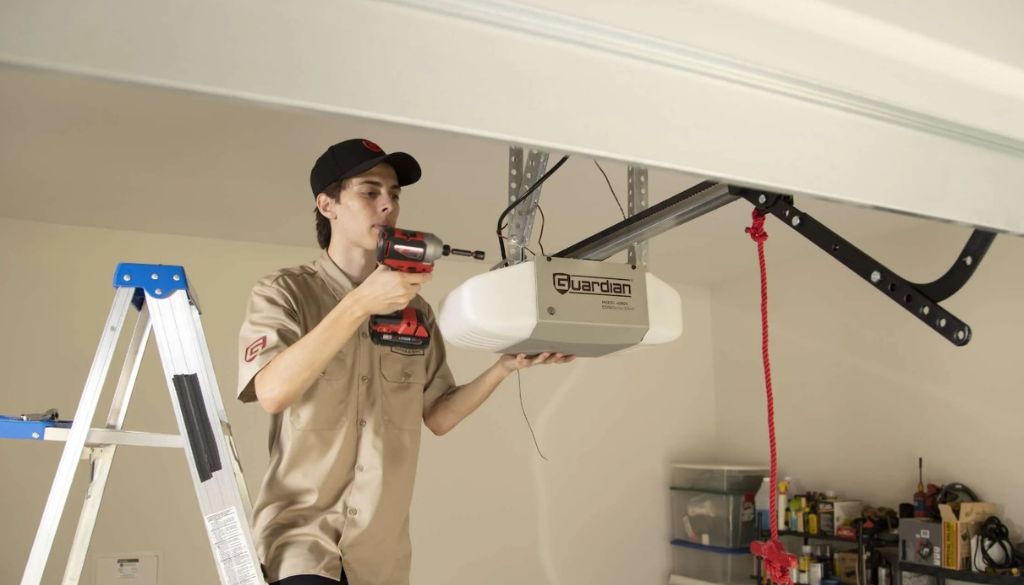
- Battery backup systems: Keep your garage door operational during power outages. Improved remote controls and keypads: Modern devices offer better range, security features, and user-friendly programming. Garage door insulation options: Insulated doors reduce heat loss and noise, improving home comfort. Noise reduction solutions: Soundproof rollers, lubrication, and weather stripping help minimise operational noise.
Conclusion
Garage door repair for household use covers a wide range of potential issues from broken springs to faulty openers. Understanding common problems, signs that repair is needed, and the types of garage doors available empowers you as a homeowner to maintain safety and convenience. While simple troubleshooting and maintenance can be done yourself, complex repairs demand licensed professionals who provide warranties and adhere to safety standards. Regular maintenance helps prevent costly emergencies, while upgrades such as battery backups and improved keypads enhance your door’s performance. For any repairs beyond minor fixes, always choose a trusted, insured service provider to keep your garage door operating smoothly and securely for years to come.